Last summer, I watched a frazzled traveler at Denver International Airport desperately trying to calm their anxious golden retriever while juggling boarding passes and a carrier that was clearly too small. The scene was all too familiar—and completely avoidable with proper planning.
Traveling with pets has become increasingly popular, with over 68% of U.S. households owning pets and many considering them family members. Whether you’re planning a cross-country road trip or flying to visit relatives, bringing your furry companion along can transform a simple journey into a memorable adventure. However, pet travel requires careful preparation, patience, and knowledge of regulations that vary by location and transportation method.
The key to successful pet travel lies in thorough preparation, understanding your pet’s needs, and having backup plans for unexpected situations. From health documentation to finding pet-friendly accommodations, every detail matters when your beloved companion’s comfort and safety are at stake.
This comprehensive guide will walk you through every aspect of traveling with pets, ensuring both you and your four-legged friend can enjoy the journey as much as the destination.
Pre-Travel Preparations: Building Your Foundation
Success in pet travel starts weeks before you pack your first bag. The preparation phase determines whether your trip becomes a cherished memory or a stressful ordeal that leaves everyone exhausted.
Health Check and Documentation
Your veterinarian should be your first stop when planning pet travel. Schedule a comprehensive health examination at least 4-6 weeks before departure, especially for air travel or international destinations.
Essential vaccinations and health certificates vary by destination and transportation method. Most airlines require a health certificate issued within 10 days of travel, while some states mandate specific vaccinations for entry. International travel often requires additional documentation, including rabies titers and quarantine periods.
Microchipping provides permanent identification that can’t be lost like traditional tags. Ensure your contact information is current in the microchip database, and consider adding your destination address as a secondary contact. This simple step has reunited countless lost pets with their families during travel mishaps.
Medication management requires special attention during travel. Pack a two-week supply of any prescription medications in original containers, along with copies of prescriptions. Include a letter from your veterinarian explaining the medical necessity of any controlled substances to avoid customs issues.
Choosing the Right Mode of Transportation
Your pet’s size, temperament, and health status should guide your transportation choice. Each method presents unique advantages and challenges that affect your travel experience.
Air travel offers speed but comes with strict regulations and potential stress for pets. Research airline policies carefully, as they vary significantly between carriers. Some airlines allow small pets in the cabin, while larger animals must travel as cargo. Book early, as most airlines limit the number of pets per flight.
Road trips provide maximum flexibility and control over your pet’s environment. You can stop whenever needed, maintain your pet’s routine, and keep them close for comfort. However, long driving days require careful planning to ensure your pet’s safety and comfort throughout the journey.
Train and bus travel options are limited but growing. Amtrak allows small pets on many routes, while Greyhound has specific pet policies for service animals. These options work well for pets who handle confinement better than car travel but aren’t suitable for cargo transport.
Packing Essentials for Your Pet
Successful pet travel requires a carefully curated packing list that covers comfort, safety, and emergency situations. Think of it as creating a mobile home environment for your companion.
Food and water management prevents digestive upset from dietary changes. Pack your pet’s regular food for the entire trip, plus three extra days’ worth for delays. Collapsible silicone bowls save space and work for both food and water. Bring familiar water from home for the first few days to ease the transition.
Comfort items help reduce travel anxiety by providing familiar scents and textures. Pack your pet’s favorite blanket, a well-loved toy, and an item of your clothing. These familiar objects can provide enormous comfort in unfamiliar environments and help your pet settle more quickly.
Waste management supplies are essential regardless of your destination. Pack more waste bags than you think you’ll need, portable litter boxes for cats, cleaning supplies for accidents, and odor eliminators. Many accommodations charge cleaning fees for pet accidents, making preparation a smart financial decision.
During Travel: Executing Your Plan
The travel day tests all your preparation efforts. Stay calm and flexible, as pets often pick up on their owner’s stress levels and mirror those emotions.
Air Travel Tips
Airport environments can overwhelm pets with unfamiliar sounds, smells, and crowds. Arrive early to allow extra time for check-in procedures and security screening.
At the airport, familiarize yourself with pet relief areas and use them before check-in. Most airports provide designated spaces with artificial grass and waste disposal facilities. Keep your pet’s carrier easily accessible for security screening, where you’ll need to carry your pet through the metal detector while the carrier goes through X-ray machines.
In-flight comfort depends largely on your preparation and your pet’s temperament. Place familiar-smelling items in the carrier and speak softly to reassure anxious pets. Avoid sedating pets without veterinary approval, as altitude changes can affect medication differently than ground-level conditions.
Road Trip Tips
Car travel offers the most control over your pet’s environment but requires vigilance about safety and comfort throughout the journey.
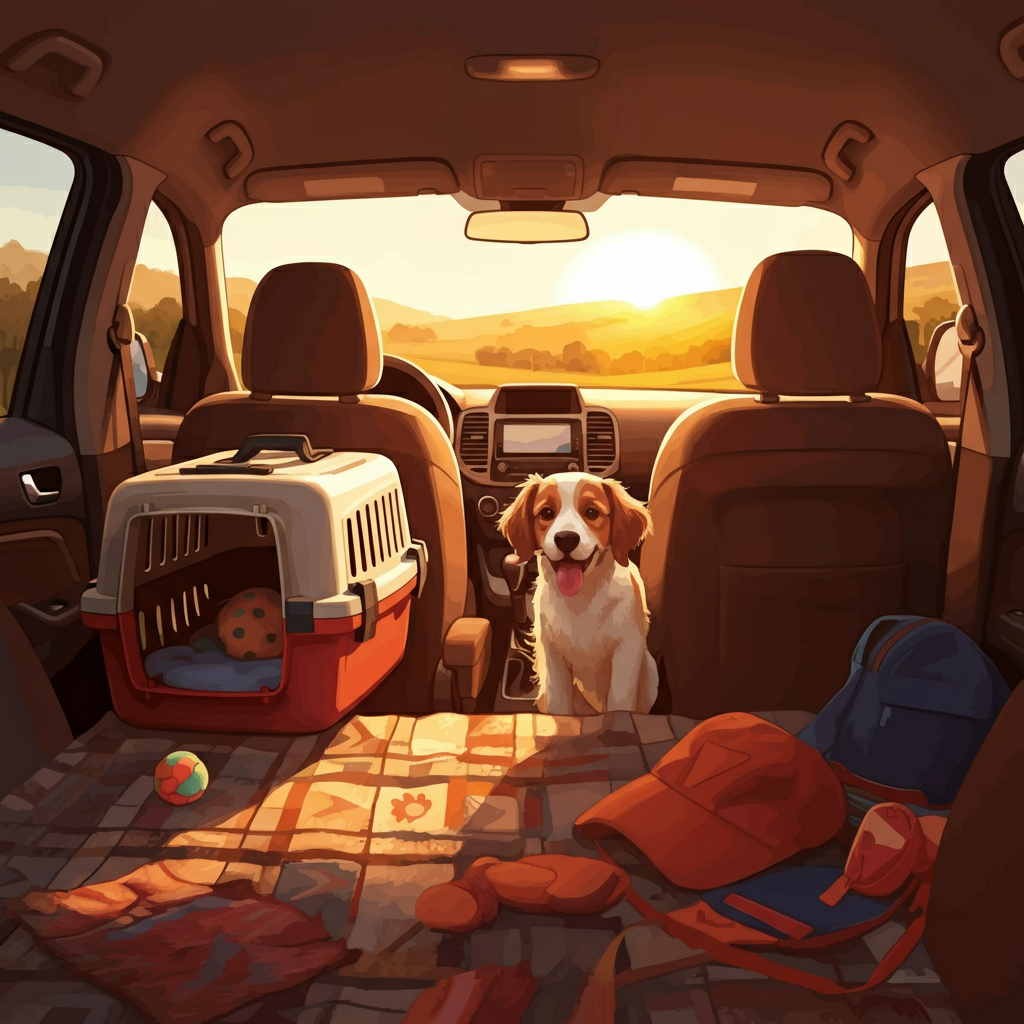
Vehicle safety should never be compromised for convenience. Use crash-tested carriers or pet seat belts to protect your companion during sudden stops or accidents. Never allow pets to ride in the front seat where airbags can cause serious injury, and never leave pets unattended in vehicles, especially during warm weather.
Regular breaks every 2-3 hours help prevent restlessness and provide necessary exercise opportunities. Research pet-friendly rest stops along your route, including state parks and travel plazas with designated pet areas. These breaks also allow you to monitor your pet’s stress levels and make adjustments if needed.
Hydration and feeding require special timing during car travel. Offer water frequently but avoid large meals in moving vehicles to prevent motion sickness. Plan meal times during longer stops when your pet can eat comfortably and settle before continuing the journey.
Train and Bus Travel Tips
Public transportation with pets requires extra consideration for other passengers and adherence to specific etiquette guidelines.
Pet etiquette on public transport focuses on minimizing disruption to fellow travelers. Keep pets contained in appropriate carriers, maintain quiet behavior through training or comfort items, and clean up any accidents immediately. Some passengers may have allergies or fears, so respect their space and concerns.
Comfort monitoring becomes crucial in confined public spaces where you have limited ability to address your pet’s needs. Watch for signs of stress or discomfort and be prepared to modify your travel plans if your pet becomes too anxious or disruptive.
Accommodation Considerations: Creating a Home Away from Home
Finding suitable lodging requires research and planning, as pet policies vary dramatically between properties and can change without notice.
Finding Pet-Friendly Hotels and Rentals
Start your accommodation search with pet-specific booking platforms and always verify policies directly with properties before arrival.
Research strategies should include multiple booking platforms, direct hotel websites, and recent guest reviews mentioning pets. Websites like BringFido and PetsWelcome specialize in pet-friendly accommodations and often provide detailed information about pet amenities and restrictions.
Verification calls prevent unpleasant surprises at check-in. Confirm current pet policies, fees, size restrictions, and available amenities like dog parks or walking areas. Ask about additional charges, cleaning fees, and damage deposits to avoid budget surprises.
Setting Up a Pet-Friendly Space
Transform your temporary lodging into a comfortable environment that meets your pet’s needs while respecting the property.
Creating comfort zones helps anxious pets adjust to new surroundings more quickly. Set up your pet’s bed, toys, and food bowls in a quiet area away from high-traffic zones. Maintain familiar routines as much as possible, including feeding times and bedtime rituals.
Safety assessments should be your first priority upon arrival. Check for hazards like toxic plants, loose electrical cords, balcony access, or small objects that could be swallowed. Secure any potential escape routes and identify the nearest emergency veterinary clinic.
Destination Activities: Making Memories Together
Research pet-friendly activities before arrival to maximize your vacation enjoyment and create positive experiences for both you and your pet.
Pet-Friendly Activities and Attractions
Many destinations offer activities specifically designed for travelers with pets, from dog beaches to pet-friendly wineries.
Outdoor adventures like hiking trails, dog parks, and beaches provide exercise and enrichment opportunities. Research local leash laws, seasonal restrictions, and any required permits or vaccinations. Some national parks allow pets on specific trails, while others restrict pet access entirely.
Dining and entertainment options increasingly welcome well-behaved pets in outdoor areas. Many cities feature pet-friendly restaurant guides and some establishments provide water bowls or special pet menus. Breweries and wineries often welcome dogs in outdoor seating areas, creating social opportunities for both pets and owners.
Safety Precautions at Your Destination
New environments present unique risks that require awareness and preparation to keep your pet safe.
Environmental hazards vary by region and season. Research local wildlife that might threaten pets, poisonous plants common to the area, and weather conditions that could affect your pet’s safety. Coastal areas may have jellyfish or strong currents, while mountain destinations present altitude challenges and wildlife encounters.
Emergency preparedness means having local veterinary contacts and understanding regional emergency procedures. Save emergency veterinary clinic information in your phone and know the location of the nearest 24-hour facility. Keep your regular veterinarian’s contact information handy for consultation on unfamiliar health issues.
Dealing with Pet Anxiety and Stress
Travel anxiety affects many pets, but recognizing signs early and implementing calming strategies can prevent minor stress from becoming major problems.
Recognizing Signs of Stress
Understanding your pet’s stress signals allows for quick intervention before anxiety escalates to panic or aggression.
Behavioral changes often appear first and may include excessive panting, pacing, whining, drooling, or attempting to hide. Some pets become destructive or attempt to escape, while others become unusually clingy or withdrawn. These behaviors typically intensify without intervention.
Physical symptoms can indicate severe stress requiring immediate attention. Vomiting, diarrhea, loss of appetite, or excessive shedding may occur during travel. Monitor these symptoms carefully, as they can lead to dehydration or other health complications if left untreated.
Calming Techniques and Solutions
Multiple strategies exist for managing travel anxiety, from natural remedies to prescription medications prescribed by your veterinarian.
Natural calming methods include pheromone sprays, anxiety wraps, and calming supplements containing ingredients like L-theanine or chamomile. These products work best when introduced gradually before travel, allowing your pet to associate them with relaxation rather than stress.
Training and desensitization can significantly reduce travel anxiety when started weeks before departure. Practice car rides, carrier training, and exposure to travel sounds like airport announcements or engine noise. Positive associations with travel gear make the actual journey less stressful.
People Also Ask: Common Pet Travel Questions
How far in advance should I plan pet travel?
Start planning at least 6-8 weeks before departure, especially for air travel or international destinations. This timeline allows for veterinary appointments, documentation processing, and any necessary training or desensitization work.
Can I give my pet medication for travel anxiety?
Only use medications prescribed by your veterinarian specifically for travel. Over-the-counter human medications can be dangerous for pets, and prescription sedatives require careful dosing and monitoring during travel.
What should I do if my pet gets lost during travel?
Immediately contact local animal shelters, veterinary clinics, and post on social media with recent photos. Having current identification tags and microchip information significantly increases reunion chances.
Are there size restrictions for pets in hotel rooms?
Most pet-friendly hotels impose weight limits, typically ranging from 25-80 pounds. Some properties charge different fees based on pet size, while others restrict certain breeds regardless of size.
How do I help my pet adjust to different time zones?
Gradually adjust feeding and walking schedules over several days, similar to human jet lag management. Maintain consistent routines and provide extra comfort during the adjustment period.
Frequently Asked Questions
What documents do I need for domestic pet travel?
For domestic travel, you’ll need current vaccination records, a health certificate (for air travel), and proof of rabies vaccination. Some states require additional documentation for entry, so research destination requirements thoroughly.
How can I find pet-friendly restaurants while traveling?
Use apps like BringFido, Yelp’s pet-friendly filter, or Google Maps to locate restaurants with outdoor seating that welcomes pets. Call ahead to confirm current policies, as these can change seasonally.
What’s the best way to keep my pet hydrated during long car trips?
Offer small amounts of water frequently rather than large quantities at once. Use spill-proof travel bowls and consider adding ice cubes for temperature control. Monitor for signs of dehydration like excessive panting or lethargy.
Should I feed my pet normally during travel days?
Reduce meal sizes and avoid feeding immediately before departure to prevent motion sickness. Maintain regular feeding schedules when possible, but prioritize your pet’s comfort over strict timing.
How do I handle pet emergencies while traveling?
Research emergency veterinary clinics at your destination before arrival. Keep your regular veterinarian’s contact information accessible for consultation, and ensure you have adequate funds or pet insurance coverage for unexpected medical expenses.
Creating Lifelong Memories Through Thoughtful Planning
Traveling with pets transforms ordinary trips into extraordinary adventures filled with unique bonding opportunities and unforgettable experiences. The key lies in thorough preparation, flexibility during unexpected situations, and prioritizing your pet’s comfort and safety above convenience.
Remember that every pet adapts differently to travel. What works perfectly for one animal may cause stress for another, so remain observant and willing to adjust your plans based on your companion’s needs. Start with shorter trips to build confidence and identify potential challenges before embarking on longer adventures.
The investment in proper planning pays dividends in stress reduction and enjoyment for both you and your pet. From health documentation to comfort items, every detail contributes to a successful journey that strengthens the bond between you and your furry family member.
Begin planning your next pet-friendly adventure today. Research destinations that welcome pets, start desensitization training if needed, and create a comprehensive packing checklist. With proper preparation and a spirit of adventure, you and your pet can explore the world together, creating memories that will last a lifetime.
Meta data
Meta title
How to Travel With Pets: Complete Guide for Stress-Free Trips
Meta description
Master pet travel with our comprehensive guide. From airline policies to packing tips, ensure safe and comfortable journeys with your furry companion.