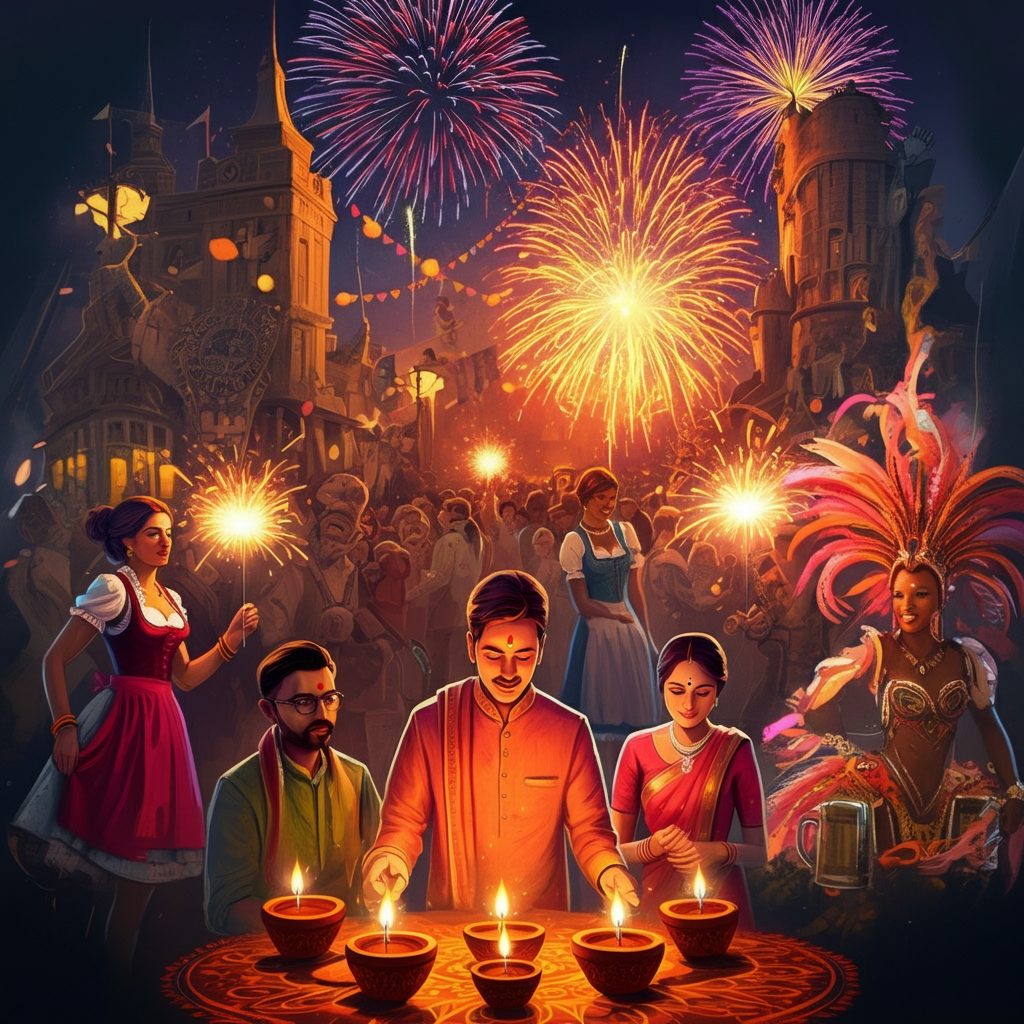
Last summer, I found myself standing in the middle of a crowded street in Mumbai, covered head to toe in colorful powder, laughing with complete strangers as we celebrated Holi together. That moment made me realize something profound: festivals have this magical ability to break down barriers and create instant connections between people from completely different worlds. There’s something transformative about experiencing a culture’s most joyous celebrations firsthand—something you simply can’t get from guidebooks or documentaries.
Festivals represent the heartbeat of cultures around the globe. They’re windows into traditions that have been passed down through generations, celebrations that reveal what communities hold most sacred, and experiences that can fundamentally change how you see the world. While any trip can be memorable, traveling specifically for festivals offers a unique blend of cultural immersion, adventure, and human connection that’s hard to replicate.
From the lantern-lit streets during Diwali in India to the chaotic tomato battles of La Tomatina in Spain, these celebrations offer travelers the chance to step beyond the role of observer and become active participants in living traditions. The energy is infectious, the memories are unforgettable, and the stories you’ll bring home are the kind that make your friends lean in closer when you tell them.
Asia
Diwali, India
Diwali transforms entire cities into galaxies of light, and experiencing it in India is like stepping into a fairy tale. The Festival of Lights celebrates the triumph of light over darkness, and for five days, millions of oil lamps, candles, and fireworks illuminate everything from humble homes to grand palaces. The air fills with the scent of traditional sweets being prepared, families dress in their finest clothes, and the sound of prayers and celebration echoes through neighborhoods. What makes Diwali special for travelers is how welcoming Indian families are—it’s common to be invited into homes to share meals and participate in ceremonies, creating connections that last long after the festival ends.
Songkran, Thailand
Songkran might be the world’s largest water fight, but it’s so much more than a playful splash fest. This Thai New Year celebration combines ancient traditions with pure, unadulterated fun as entire cities engage in good-natured water battles for three days straight. The festival begins with solemn ceremonies at temples, where people pour scented water over Buddha statues and the hands of elders as a sign of respect. Then the streets explode with water guns, buckets, and hoses as locals and tourists alike join the festivities. The underlying message is beautiful—the water washes away the previous year’s misfortunes and bad luck, making space for fresh beginnings.
Harbin Ice Festival, China
Harbin’s International Ice and Snow Sculpture Festival creates a temporary city made entirely of ice, and walking through it feels like exploring an alien planet. Master craftsmen spend months carving enormous ice buildings, complete with functioning slides, bars, and even hotels where you can spend the night. The sculptures are illuminated with colored lights that create an otherworldly glow against the dark winter sky. Temperatures drop to -20°F, but the experience is so mesmerizing that you’ll forget about the cold. Beyond the visual spectacle, the festival showcases incredible artistry and engineering—some ice structures are so detailed they rival the world’s greatest architecture.
Europe
Oktoberfest, Germany
Oktoberfest in Munich is more than just a beer festival—it’s a celebration of Bavarian culture that brings together six million people from around the world every year. The massive beer halls buzz with traditional music, lederhosen-clad locals, and the clinking of enormous beer steins filled with specially brewed Oktoberfest lager. But what surprised me most was the sense of community; strangers share tables, swap stories, and sing along to oompah bands late into the night. The traditional food is just as impressive as the beer—think enormous pretzels, hearty sausages, and roasted chicken that falls off the bone. The festival runs for 16 days, giving you plenty of time to pace yourself and soak up the authentic Bavarian atmosphere.
La Tomatina, Spain
La Tomatina in Buñol is pure, chaotic joy distilled into one hour of tomato-throwing madness. Every August, thousands of people gather in this small Spanish town for what can only be described as the world’s biggest food fight. When the noon church bell rings, trucks dump tons of overripe tomatoes into the streets, and all hell breaks loose in the best possible way. The rules are simple: squash the tomatoes before throwing them, don’t throw anything but tomatoes, and stop when the second bell rings an hour later. What makes this festival special is its absurdity—there’s no deep cultural meaning, no ancient tradition, just pure fun that leaves everyone covered in tomato pulp and grinning from ear to ear.
Venice Carnival, Italy
Venice Carnival transports you back to the 18th century, when masked balls and elaborate costumes were the height of sophistication. For two weeks, Venice becomes a living theater where participants don intricate masks and period costumes that cost thousands of dollars. The streets fill with costumed figures posing for photos, street performers entertaining crowds, and elaborate balls held in historic palaces. The anonymity provided by masks creates a unique social dynamic—conversations flow easily between strangers, and the normal social hierarchies disappear. The craftsmanship of traditional Venetian masks is an art form in itself, with some taking months to create using techniques passed down through generations.
North America
Mardi Gras, New Orleans, USA
Mardi Gras in New Orleans is America’s greatest party, but it’s also a deeply rooted cultural tradition that reveals the soul of the city. The carnival season actually lasts for weeks, building up to Fat Tuesday with increasingly elaborate parades, masked balls, and street celebrations. Each parade is organized by a different “krewe” with its own theme, floats, and traditions. The famous throws—beads, doubloons, and other trinkets tossed from floats—create a unique interaction between riders and crowds. But beyond the party atmosphere, Mardi Gras showcases New Orleans’ incredible music scene, Creole cuisine, and the resilient spirit of a city that knows how to celebrate life despite facing numerous challenges.
Burning Man, Nevada, USA
Burning Man isn’t just a festival—it’s a temporary city built in the Nevada desert that operates on principles of radical self-expression, self-reliance, and community. For one week, approximately 80,000 people create Black Rock City, complete with art installations that rival major museums, theme camps, and a functioning society without money. The festival culminates with the burning of a massive wooden effigy, but the real magic happens in the smaller moments: sharing meals with strangers, discovering hidden art pieces in the desert, and participating in workshops that range from yoga to rocket building. Burning Man challenges participants to contribute rather than consume, creating an environment where everyone becomes both artist and audience.
South America
Carnival in Rio de Janeiro, Brazil
Rio’s Carnival is the ultimate celebration of Brazilian culture, music, and joie de vivre. The famous samba schools spend all year preparing for their parade through the Sambadrome, creating elaborate floats and costumes that tell stories through dance and music. But the real party happens in the streets, where blocos (street parties) take over entire neighborhoods with live music, dancing, and caipirinhas flowing freely. The energy is absolutely infectious—even if you don’t speak Portuguese or know how to samba, you’ll find yourself swept up in the celebration. The festival showcases Brazil’s incredible musical diversity, from traditional samba to modern funk carioca, all while celebrating the country’s multicultural heritage.
Inti Raymi, Peru
Inti Raymi in Cusco recreates the ancient Incan Festival of the Sun with stunning historical accuracy and cultural pride. Every winter solstice, hundreds of performers dressed in traditional Incan costumes reenact ceremonies that honor the sun god Inti. The main ceremony takes place at Sacsayhuamán, the impressive Incan fortress overlooking Cusco, where the “Inca” makes offerings to ensure a good harvest and the return of longer days. What makes this festival particularly moving is how it connects modern Peruvians with their pre-Columbian heritage, celebrating indigenous culture that Spanish colonizers tried to erase. The ceremony is conducted entirely in Quechua, the language of the Incas, making it a powerful statement of cultural survival and pride.
Africa
Sango Festival, Nigeria
The Sango Festival in Oyo honors the Yoruba god of thunder and lightning with displays of traditional culture that have remained virtually unchanged for centuries. Devotees enter trance-like states, perform fire-eating ceremonies, and demonstrate seemingly impossible feats while channeling the spirit of Sango. The festival features elaborate costumes, traditional drumming that creates hypnotic rhythms, and displays of ancestral masks that are considered sacred artifacts. For visitors, the festival offers an authentic glimpse into Yoruba spirituality and the important role that traditional religions still play in modern Nigerian society. The celebrations last several days and include markets selling traditional crafts, storytelling sessions, and community feasts that welcome visitors as honored guests.
Timkat, Ethiopia
Timkat is Ethiopia’s most important religious celebration, commemorating the baptism of Jesus Christ with ceremonies that blend ancient Christian traditions with uniquely Ethiopian customs. The festival centers around the blessing of water, and thousands of pilgrims gather at rivers, lakes, and specially constructed pools for mass baptism ceremonies. Orthodox priests carry ornate replicas of the Ark of the Covenant in elaborate processions, while worshippers dress in traditional white cotton clothing called habesha kemis. The celebrations include all-night prayer vigils, traditional coffee ceremonies, and communal feasts that bring together entire communities. Timkat offers visitors insight into one of the world’s oldest Christian traditions and the strong role that faith plays in Ethiopian culture.
People Also Ask
What is the best time to travel for festivals around the world?
Festival timing varies by region and cultural calendar. Spring and autumn tend to have the most festivals globally, as many cultures celebrate seasonal changes, harvests, and religious holidays during these periods. However, some of the world’s best festivals happen during winter (like Harbin Ice Festival) or summer (like Burning Man), so it’s worth researching specific events rather than traveling by season.
How much does it cost to travel for international festivals?
Costs vary dramatically depending on the festival and destination. Budget-friendly options like Songkran in Thailand or La Tomatina in Spain might cost $1,000-2,000 for a week including flights and accommodation. Premium experiences like Venice Carnival or Burning Man can easily cost $3,000-5,000 or more. The key is booking accommodation early, as prices skyrocket during major festivals.
Do I need special tickets or reservations for most festivals?
Many festivals are free public celebrations that you can simply show up for, like Diwali celebrations in India or street parties during Rio Carnival. However, some events require advance tickets—Burning Man sells out within hours, Oktoberfest beer halls require reservations, and premium Venice Carnival events need expensive tickets. Research requirements at least 6-12 months in advance.
What should I pack for festival travel?
Festival packing depends entirely on the event and climate. For Songkran, bring waterproof everything and quick-dry clothes. For Burning Man, you’ll need dust protection, camping gear, and enough supplies to be self-sufficient. For religious festivals like Timkat, pack modest clothing that covers shoulders and knees. Always research cultural dress codes and weather conditions specific to your chosen festival.
Are festivals safe for solo travelers?
Most major festivals are generally safe for solo travelers, especially during daylight hours and in crowded areas. Festivals actually provide excellent opportunities to meet fellow travelers and locals. However, basic safety precautions apply: keep valuables secure, stay aware of your surroundings, avoid excessive drinking, and research any specific safety concerns for your chosen destination and festival.
How can I participate respectfully in cultural festivals?
Respectful participation starts with research—understand the cultural and religious significance before you go. Dress appropriately, learn basic local customs, and ask permission before photographing people or ceremonies. Many festivals welcome visitors who show genuine interest and respect. Consider hiring local guides who can provide cultural context and help you navigate social norms appropriately.
Frequently Asked Questions
What’s the best festival for first-time festival travelers?
Oktoberfest in Munich is ideal for beginners because it’s well-organized, foreigner-friendly, and offers a perfect balance of cultural immersion and fun. The infrastructure is excellent, English is widely spoken, and the atmosphere is welcoming to international visitors. Plus, Germany’s efficient transportation system makes it easy to navigate.
How far in advance should I book festival travel?
Book at least 6-12 months ahead for major festivals. Accommodation near festival locations fills up quickly and prices increase dramatically as dates approach. For events like Burning Man or Venice Carnival, some people book accommodations a full year in advance. Flights also become more expensive closer to festival dates.
Can I attend multiple festivals in one trip?
Absolutely! Many travelers create festival circuits, especially in regions with multiple celebrations. Europe works well for this—you could combine Oktoberfest with smaller harvest festivals in nearby countries. Asia also offers great festival combinations during certain seasons. Just allow enough recovery time between intense celebrations and consider the physical demands of back-to-back festivals.
What if I don’t speak the local language?
Language barriers are rarely a problem at festivals because the celebratory atmosphere transcends words. Locals are usually more patient and helpful during festivals, and many festivals attract international crowds where English is commonly spoken. Download translation apps, learn a few key phrases, and don’t be afraid to communicate through gestures and smiles—festival energy is universal.
Should I book festival tours or plan independently?
It depends on your comfort level and the complexity of the festival. Independent travel offers more flexibility and authentic experiences, while tours provide cultural context and handle logistics. For complex events like Burning Man or remote festivals, tours can be valuable. For straightforward celebrations like Oktoberfest or Songkran, independent travel is usually easy and more rewarding.
Your Next Adventure Awaits
Festivals offer something that regular tourism simply cannot: the chance to be part of a community’s most joyful expression of identity. Whether you’re dancing until dawn at Rio Carnival, sharing traditional sweets during Diwali, or marveling at ice sculptures in Harbin, these experiences become more than just travel memories—they become stories that shape how you see the world and your place in it.
The beauty of festival travel lies not just in the spectacle, but in the human connections you’ll make along the way. There’s something magical about celebrating with strangers who quickly become friends, about being welcomed into traditions that go back centuries, and about discovering that joy and celebration are truly universal languages.
So pick a festival that speaks to your sense of adventure, book that ticket, and prepare to be amazed. The world is celebrating, and there’s always room for one more at the party.
Meta data
Meta title
Top Global Festivals Worth Traveling For | Complete Guide 2024
Meta description
Discover the world’s most incredible festivals from Diwali in India to Rio Carnival. Complete travel guide with insider tips for unforgettable experiences.