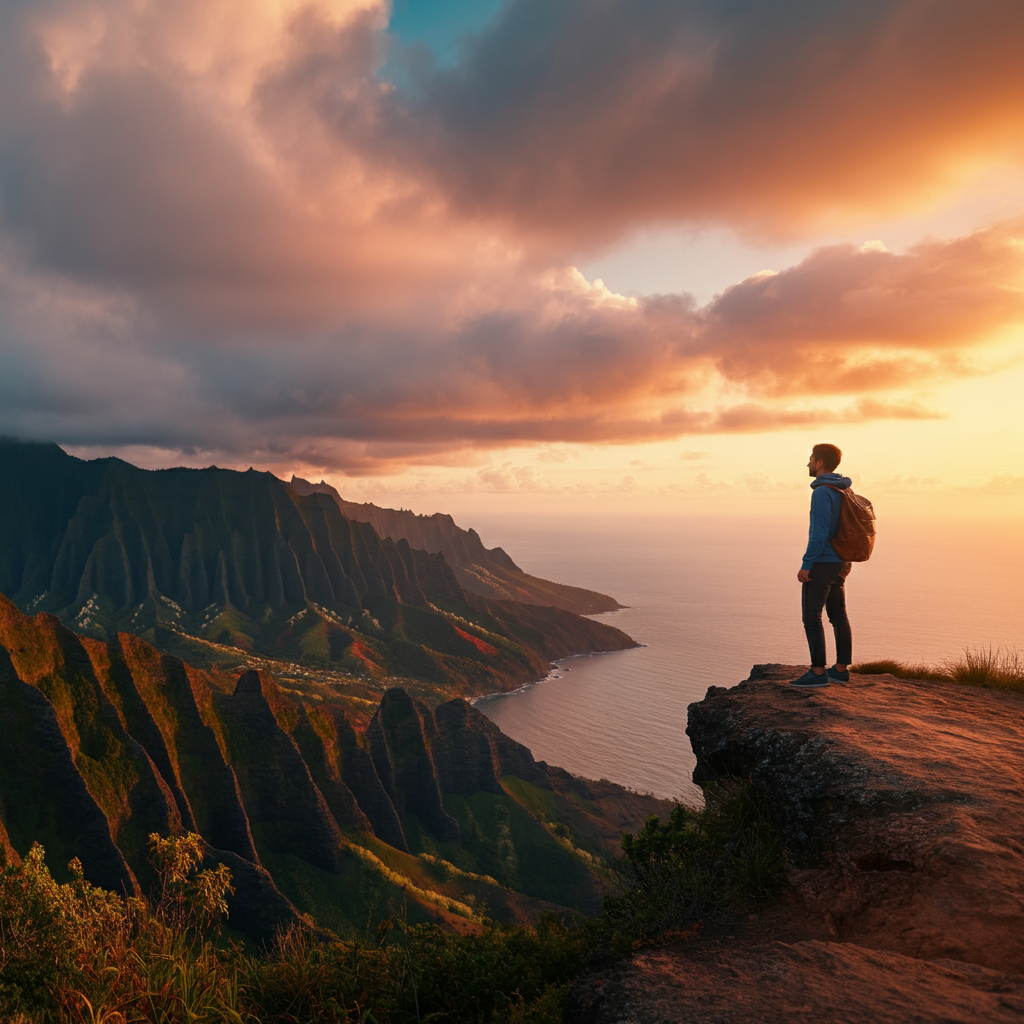
Three years ago, I stood at the departure gate in Denver International Airport, clutching my boarding pass to Bangkok with sweaty palms. My friends thought I was crazy for traveling alone to Southeast Asia, and honestly, I wasn’t sure they were wrong. But that solo trip became the most transformative experience of my life—and I’m not alone in feeling this way.
Solo travel has exploded in popularity over the past decade. According to recent industry reports, solo bookings have increased by 42% since 2019, with travelers of all ages embracing the freedom and self-discovery that comes with exploring the world independently. Whether you’re a seasoned traveler looking to break free from group dynamics or someone who’s never left their home country, solo travel offers unparalleled opportunities for personal growth and adventure.
This comprehensive guide will equip you with everything you need to know about solo travel—from essential planning tips and safety strategies to the best destinations for first-time solo adventurers. We’ll address common concerns, share practical advice, and help you build the confidence to embark on your own solo journey.
The beauty of solo travel lies not just in the destinations you’ll visit, but in the person you’ll become along the way. Let’s explore how you can make your solo travel dreams a reality while staying safe, prepared, and open to the incredible experiences waiting for you.
Why Choose Solo Travel?
Solo travel isn’t just about visiting new places—it’s about discovering parts of yourself you never knew existed. When you remove the comfort zone of familiar companions, you’re forced to rely on your own judgment, adapt to unexpected situations, and connect with the world in entirely new ways.
Personal Growth
Traveling alone pushes you outside your comfort zone in the best possible way. You’ll navigate foreign transportation systems, order meals in languages you don’t speak, and solve problems independently. Each small victory builds confidence that extends far beyond your travels. I remember feeling incredibly proud after successfully negotiating a tuk-tuk ride in Bangkok—a skill that seemed impossible before I tried it.
The decision-making process becomes entirely yours. Want to spend three hours in a museum? Go for it. Feel like changing your itinerary to explore an off-the-beaten-path village? Nothing’s stopping you. This autonomy teaches you to trust your instincts and make choices based on your genuine interests rather than group consensus.
Flexibility and Freedom
Group travel often involves compromises—someone wants to sleep in while you’re eager to catch the sunrise, or you’re ready for adventure while others prefer relaxation. Solo travel eliminates these conflicts entirely. Your schedule becomes fluid, allowing you to follow spontaneous opportunities and adjust plans based on your mood, energy levels, or unexpected discoveries.
This flexibility extends to your budget as well. You can choose to splurge on experiences that matter to you while saving money on things that don’t. Love street food but care less about luxury hotels? Your travel style becomes authentically yours.
Self-Discovery
Perhaps most importantly, solo travel provides uninterrupted time for reflection and self-discovery. Without the distractions of familiar social dynamics, you’ll observe how you react to new situations, what truly excites you, and what values guide your decisions. Many solo travelers report gaining clarity about their life direction, career goals, or relationships during their journeys.
The quiet moments—watching a sunset alone, journaling in a café, or simply walking through a new city—become opportunities for deep introspection that’s often impossible in our busy daily lives.
Planning Your Solo Trip
Successful solo travel starts with thoughtful planning. While spontaneity has its place, having a solid foundation ensures you can embrace unexpected opportunities without sacrificing safety or breaking your budget.
Setting a Budget
Creating a realistic budget is crucial for solo travelers since you won’t be splitting costs with companions. Start by researching the cost of living in your chosen destination, including accommodation, food, transportation, and activities. Factor in a 20% buffer for unexpected expenses—trust me, they always arise.
Consider these budget categories:
- Accommodation: 30-40% of your budget
- Food: 20-25% of your budget
- Transportation: 15-20% of your budget
- Activities and attractions: 15-20% of your budget
- Emergency fund: 10-15% of your budget
Solo travelers often face “single supplements” for accommodations designed for couples, but this can be offset by choosing hostels, guesthouses, or vacation rentals that cater to individual travelers.
Choosing a Destination
Your first solo trip destination should balance adventure with accessibility. Consider factors like language barriers, cultural differences, infrastructure quality, and safety levels. Countries with well-established tourist infrastructure and English-speaking populations often make excellent starting points for nervous first-time solo travelers.
Research visa requirements, vaccination needs, and entry restrictions well in advance. Some countries have specific requirements for solo travelers or may require proof of onward travel or accommodation bookings.
Booking Accommodation and Transportation
For solo travelers, location often trumps luxury when choosing accommodation. Stay in well-reviewed properties in safe, central neighborhoods with good transportation links. Read recent reviews carefully, paying attention to comments about safety, cleanliness, and staff helpfulness.
Book your first few nights in advance to ensure you have a safe place to land and get oriented. After that, you can be more flexible with your bookings. Many solo travelers prefer accommodations that offer opportunities to meet other travelers, such as hostels with common areas or guesthouses that organize group activities.
Safety Tips for Solo Travelers
Solo travel safety isn’t about living in fear—it’s about being prepared and making informed decisions. Most solo travelers never encounter serious problems, but taking precautions helps ensure your trip remains enjoyable and stress-free.
Researching Local Laws and Customs
Before departing, spend time researching your destination’s cultural norms, local laws, and social expectations. What’s considered appropriate dress? Are there areas of the city to avoid? What are the local scam tactics tourists should know about?
Understanding cultural context helps you blend in better and avoid inadvertently offending locals or marking yourself as an easy target. For example, in some cultures, making direct eye contact with strangers might be considered rude, while in others, it’s a sign of confidence and respect.
Staying Connected
Maintain regular contact with friends or family back home. Share your itinerary with trusted contacts and establish check-in schedules. This doesn’t mean constant updates, but rather periodic communication that allows someone to notice if you go silent unexpectedly.
Invest in reliable communication tools—an international phone plan, local SIM card, or portable WiFi device. Having consistent internet access helps you navigate, translate languages, research safety information, and call for help if needed.
Trusting Your Instincts
Your intuition is your most valuable safety tool. If a situation, person, or place feels wrong, trust that feeling and remove yourself from the situation. Don’t worry about being rude or overthinking—it’s better to be overly cautious than sorry.
This applies to everything from declining invitations from strangers to choosing not to walk down a particular street at night. Solo travel builds confidence, but smart solo travelers remain aware of their surroundings and trust their gut feelings.
Emergency Preparedness
Prepare for emergencies before they happen. Keep digital and physical copies of important documents (passport, visa, travel insurance, emergency contacts) stored separately from the originals. Research the location of your country’s embassy or consulate at your destination.
Know the local emergency numbers and keep them easily accessible. Carry a basic first aid kit and any necessary prescription medications with extra supplies in case of delays.
Best Destinations for Solo Travelers
Choosing the right destination can make or break your solo travel experience. The best solo travel destinations combine safety, affordability, ease of navigation, and opportunities to meet other travelers or connect with locals.
Southeast Asia
Thailand remains the gold standard for solo travel, especially for beginners. The infrastructure is well-developed, English is widely spoken in tourist areas, and there’s a thriving backpacker scene that makes meeting other travelers easy. From the bustling streets of Bangkok to the pristine beaches of the southern islands, Thailand offers incredible diversity at budget-friendly prices.
Vietnam provides a perfect blend of adventure and accessibility. The country’s stunning natural beauty, rich history, and incredible food scene make it irresistible to solo travelers. The north-to-south (or vice versa) travel route is well-established, making it easy to follow a logical itinerary and meet other travelers heading in the same direction.
Europe
Iceland might seem like an unconventional choice, but it’s incredibly solo-friendly. The country is remarkably safe, most locals speak excellent English, and the natural attractions are accessible via well-marked hiking trails and organized tours. The small size makes it manageable for first-time solo travelers, and the dramatic landscapes provide countless Instagram-worthy moments.
Spain offers an ideal combination of rich culture, excellent food, efficient transportation, and vibrant nightlife. Cities like Barcelona and Madrid are perfect for solo exploration, with extensive public transportation systems and neighborhoods that remain lively well into the evening. The Spanish concept of “tapas hopping” is practically designed for solo travelers.
The Americas
Costa Rica stands out as Central America’s most solo-friendly destination. The country’s commitment to eco-tourism has created excellent infrastructure for independent travelers, while the “pura vida” lifestyle creates a welcoming atmosphere for visitors. From cloud forests to pristine beaches, Costa Rica packs incredible biodiversity into a manageable size.
Canada offers solo travelers the perfect combination of natural beauty, cultural diversity, and excellent safety standards. Cities like Vancouver, Toronto, and Montreal provide world-class urban experiences, while the country’s national parks offer some of the world’s most spectacular wilderness adventures.
Packing Essentials for Solo Travel
Smart packing becomes even more critical when you’re traveling alone. You won’t have companions to share items with or help carry heavy bags, so every item in your luggage should serve a purpose.
Lightweight Luggage
Invest in high-quality, lightweight luggage that you can comfortably manage on your own. A good rule of thumb is to pack only what you can carry for 15 minutes without strain. Rolling luggage works well for urban destinations, while a quality backpack offers more versatility for mixed terrain.
Consider packing cubes to organize your belongings and make it easier to find items quickly. This organization becomes especially valuable in hostel dormitories where you might need to access your belongings quietly and efficiently.
Travel-Sized Toiletries
Minimize your toiletry load by bringing only essentials in travel-sized containers. Many items can be purchased at your destination, often at lower prices than at home. Focus on bringing prescription medications, specialty items that might be hard to find abroad, and products your skin is accustomed to.
First Aid Kit
A basic first aid kit becomes more important when traveling alone since you won’t have companions to help in case of minor injuries or illness. Include band-aids, pain relievers, anti-diarrheal medication, antihistamines, and any personal prescription medications with extra supplies.
Electronics and Adapters
Ensure you have the right adapters for your destinations and consider bringing a portable charger for your devices. A universal adapter saves space and works in multiple countries if you’re visiting several destinations. Download offline maps, translation apps, and transportation apps before traveling to reduce your reliance on internet connectivity.
Making the Most of Your Solo Experience
Solo travel offers unique opportunities that aren’t available when traveling with others. Embracing these opportunities fully can transform your trip from good to life-changing.
Connecting with Locals
Without the barrier of a travel group, locals are often more likely to approach and engage with solo travelers. Accept invitations for coffee, ask for restaurant recommendations, and show genuine interest in local culture. These interactions often lead to the most memorable travel experiences and provide insights no guidebook can offer.
Consider staying in locally-owned accommodations, eating at family-run restaurants, and participating in community-based activities. These choices not only provide more authentic experiences but also directly support local communities.
Trying New Things
Solo travel is the perfect time to push your boundaries and try activities you might have skipped with companions. Always wanted to try scuba diving but your friends weren’t interested? Book that diving course. Curious about local cooking but your travel partners prefer familiar foods? Sign up for a cooking class.
Without group dynamics to consider, you can follow your genuine interests and passions. This freedom often leads to discovering new hobbies or interests that continue long after your trip ends.
Documenting Your Journey
Keep a travel journal or blog to document not just what you see, but how you feel and what you learn about yourself. These reflections become incredibly valuable over time and help you process the personal growth that occurs during solo travel.
Don’t feel pressured to share every moment on social media. Some experiences are meant to be savored privately, and constant documentation can prevent you from being fully present in the moment.
Dealing with Loneliness
Loneliness during solo travel is normal and temporary. When it hits, reach out to other travelers, join group activities, or video call friends and family. Many hostels and accommodations organize social events specifically designed to help solo travelers connect.
Remember that feeling lonely occasionally doesn’t mean solo travel isn’t for you. These moments often lead to the most significant personal growth and self-discovery.
Common Concerns and How to Overcome Them
Every potential solo traveler faces doubts and concerns. Addressing these honestly helps you prepare mentally and practically for your journey.
Safety Concerns
Safety worries are the most common barrier to solo travel, especially for women. While caution is always wise, excessive fear can prevent you from experiencing life-changing adventures. Research your destinations thoroughly, follow common-sense safety practices, and remember that millions of people travel solo safely every year.
Connect with other solo travelers through online communities to get real, recent safety information about your destinations. Their firsthand experiences provide more accurate and current information than outdated travel advisories.
Budget Concerns
Solo travel can be more expensive since you’re not splitting costs, but it doesn’t have to break the bank. Focus on destinations where your money goes further, choose accommodations and transportation that fit your budget, and remember that you have complete control over your spending decisions.
Consider house-sitting, work exchanges, or volunteer opportunities that can reduce accommodation costs while providing unique local experiences.
Loneliness
The fear of loneliness prevents many people from trying solo travel, but most solo travelers find they’re rarely actually alone. The solo travel community is incredibly welcoming, and you’ll likely meet more people than you would when traveling with companions.
People Also Ask (PAA)
Is solo travel safe for beginners?
Solo travel can be very safe for beginners when proper precautions are taken. Start with destinations known for being solo-friendly, research thoroughly before departing, maintain regular contact with home, and trust your instincts. Millions of people travel solo safely every year.
How much does solo travel cost?
Solo travel costs vary dramatically by destination and travel style. Budget solo travelers can explore Southeast Asia for $30-50 per day, while luxury solo travel in Europe might cost $200+ daily. The key is choosing destinations and activities that match your budget.
What are the best countries for first-time solo female travelers?
Countries like New Zealand, Iceland, Japan, Singapore, and Canada consistently rank as the safest and most welcoming for solo female travelers. These destinations offer excellent infrastructure, low crime rates, and cultures that are generally respectful toward women.
How do I meet people while traveling solo?
Stay in social accommodations like hostels, join group tours or activities, use travel apps like Meetup or Bumble BFF, attend local events, and be open to conversations with fellow travelers and locals. Solo travelers often find meeting people easier than expected.
What should I do if I get lonely while traveling solo?
Reach out to other travelers, join group activities, video call friends and family, visit common areas in your accommodation, or consider joining organized tours. Remember that occasional loneliness is normal and temporary.
Frequently Asked Questions
What documents do I need for solo travel?
Essential documents include a valid passport (with at least 6 months validity), appropriate visas, travel insurance documentation, flight confirmations, and accommodation bookings. Keep digital and physical copies stored separately, and leave copies with someone at home.
How do I handle emergencies while traveling alone?
Prepare by researching local emergency numbers, knowing the location of your country’s embassy, carrying travel insurance, maintaining emergency contacts, and keeping emergency funds accessible. Register with your embassy if recommended and maintain regular contact with home.
Should I tell people I’m traveling alone?
Use discretion when sharing your solo travel status. While many locals and fellow travelers are helpful and trustworthy, avoid advertising that you’re alone to strangers, especially in unfamiliar areas or situations that feel uncomfortable.
What’s the best way to research solo travel destinations?
Use multiple sources including official tourism websites, recent travel blogs, solo travel forums, guidebooks, and social media groups. Look for information specifically about solo travel experiences rather than general tourism information.
How do I stay motivated during challenging moments while traveling solo?
Remember why you chose to travel solo, focus on the personal growth you’re experiencing, reach out to other travelers or people back home for support, and remember that challenging moments often become the best travel stories later.
Embrace Your Solo Adventure with Confidence
Solo travel isn’t just about visiting new places—it’s about discovering who you are when stripped of familiar surroundings and social dynamics. The challenges you’ll face become opportunities for growth, and the freedom you’ll experience opens doors to adventures you never imagined possible.
The concerns and fears that hold many people back from solo travel are often far greater in imagination than in reality. Yes, you’ll face moments of uncertainty, loneliness, or anxiety, but you’ll also experience incredible personal growth, meet amazing people, and create memories that belong entirely to you.
Start planning your solo adventure today. Research destinations that excite you, begin saving for your trip, and most importantly, trust in your ability to handle whatever comes your way. The world is full of friendly people, beautiful places, and incredible experiences waiting for brave solo travelers like you.
Your solo travel journey begins with a single step—or in this case, a single booking. Take that step, embrace the uncertainty, and prepare for one of the most rewarding experiences of your life. The person who returns from your solo adventure will be more confident, self-reliant, and aware of their own capabilities than the person who departs.
Adventure is calling, and you’re ready to answer.
Meta data
Meta title
Solo Travel Guide: Safety Tips & Best Destinations for 2024
Meta description
Complete solo travel guide with safety tips, budget advice, and top destinations. Start your solo adventure confidently with expert planning tips.