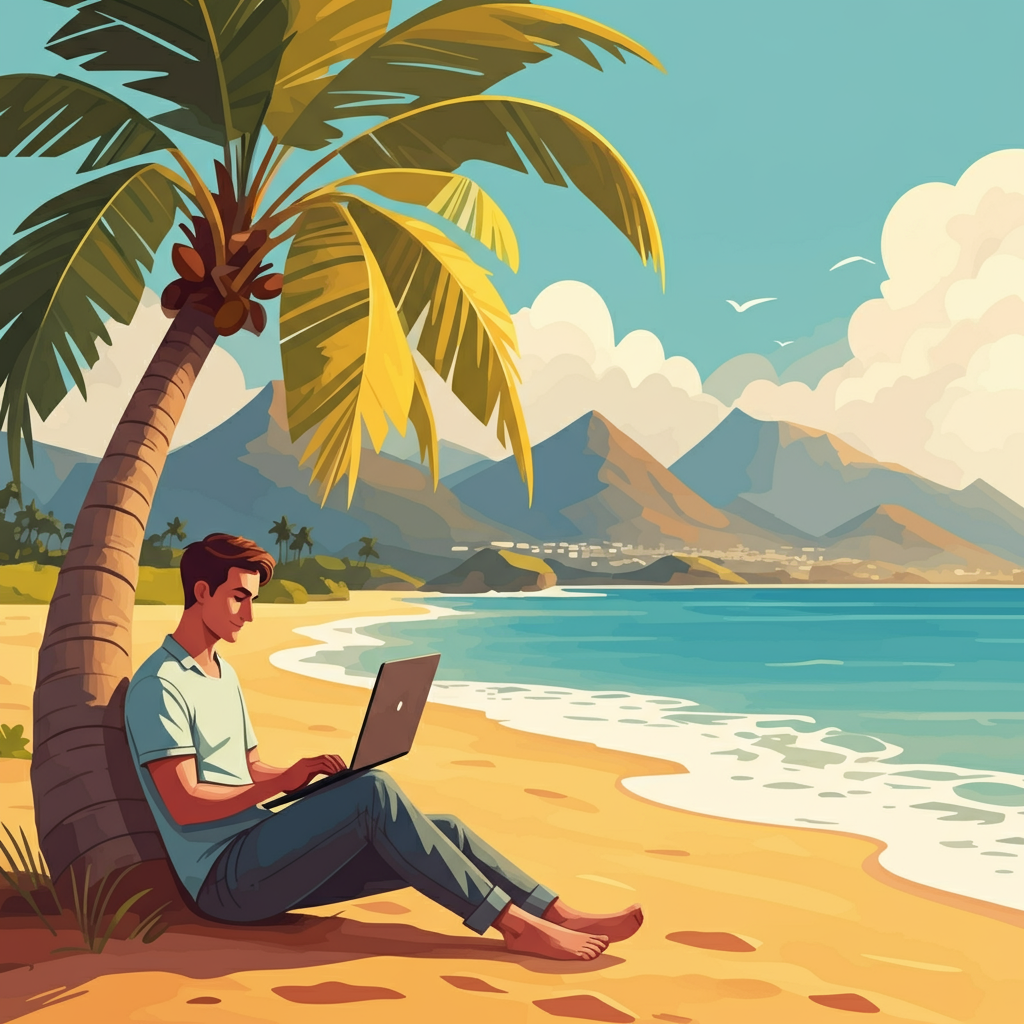
The laptop clicks shut, the backpack gets zipped up, and another adventure begins. This scene plays out thousands of times each day as digital nomads pack up their mobile offices and head to their next destination. But behind the Instagram-worthy photos of beachside workspaces and mountain-view meetings lies a complex lifestyle that requires careful planning, discipline, and realistic expectations.
The digital nomad movement has exploded from a niche trend to a mainstream career choice, with an estimated 50 million digital nomads worldwide as of 2023. This surge isn’t just about wanderlust—it represents a fundamental shift in how we think about work, productivity, and life balance. The pandemic accelerated remote work adoption, making location independence more accessible than ever before.
However, working while traveling isn’t as simple as grabbing your laptop and boarding the next flight. Success requires understanding the practical realities, developing essential skills, and building systems that support both your professional goals and personal well-being. This comprehensive guide will walk you through everything you need to know about making the digital nomad lifestyle work for you, from managing finances across borders to building meaningful connections on the road.
Whether you’re contemplating your first nomadic adventure or looking to optimize your current remote work setup, this article covers the strategies, tools, and insights you need to thrive as a location-independent professional.
The Realities of Digital Nomad Life (Pros and Cons)
The digital nomad lifestyle offers incredible freedom, but it comes with unique challenges that social media rarely showcases. Understanding both sides helps you make informed decisions and set realistic expectations.
The Bright Side of Nomadic Living
Ultimate Flexibility and Freedom
Working from anywhere means you can chase summer year-round, explore new cultures during off-peak seasons, or simply change your scenery when inspiration strikes. Sarah, a freelance graphic designer, spent three months in Bali during their dry season, then moved to Portugal for the summer—all while maintaining her client base and increasing her income by 40%.
Lower Cost of Living
Many nomads dramatically reduce their expenses by choosing destinations with favorable exchange rates. A comfortable lifestyle in Lisbon, Mexico City, or Bangkok often costs less than rent alone in major US cities. This financial arbitrage allows many nomads to save money while experiencing more.
Accelerated Personal Growth
Constant exposure to new environments, languages, and cultures builds adaptability, problem-solving skills, and global perspectives that benefit both personal and professional development. Every challenge—from navigating foreign banking systems to communicating across language barriers—builds resilience and confidence.
The Hidden Challenges
Isolation and Loneliness
Despite being surrounded by new people and places, many nomads struggle with deep loneliness. Surface-level interactions with fellow travelers can’t always replace meaningful, long-term relationships. The constant goodbyes and lack of stable community take an emotional toll that catches many first-time nomads off guard.
Work-Life Balance Difficulties
When your office is wherever you are, boundaries blur quickly. The temptation to work during sunrise on the beach or answer emails during dinner with new friends creates a paradox where you’re simultaneously always working and never fully present.
Administrative Complexity
Managing taxes across multiple countries, dealing with visa requirements, finding reliable healthcare, and maintaining banking relationships becomes a part-time job itself. What seems like simple paperwork at home becomes complex international logistics on the road.
Essential Skills and Tools for Digital Nomads
Success as a digital nomad depends on mastering both technical skills and personal discipline. The right combination of tools and habits creates the foundation for sustainable remote work.
Core Digital Skills Every Nomad Needs
Communication and Collaboration
Clear, proactive communication becomes critical when you can’t rely on face-to-face interactions. Master asynchronous communication tools like Slack, understand time zone management, and develop the ability to convey complex ideas through written communication.
Self-Management and Discipline
Without traditional office structure, you must become your own manager. This means setting clear boundaries, creating productive routines, and maintaining focus despite distractions like beautiful beaches or exciting cultural events happening outside your workspace.
Technical Problem-Solving
Internet outages, software glitches, and hardware failures become more challenging when you can’t simply walk to the IT department. Basic troubleshooting skills, backup systems, and contingency plans are essential for maintaining professional reliability.
Must-Have Tools and Equipment
| Category | Essential Tools | Why You Need Them |
|---|---|---|
| Hardware | Reliable laptop, portable monitor, universal adapter | Ensures productivity anywhere |
| Connectivity | Mobile hotspot, VPN service, backup internet | Maintains reliable connections |
| Productivity | Project management software, time tracking apps | Keeps work organized and efficient |
| Financial | Multi-currency banking, expense tracking | Manages international finances |
| Communication | Video conferencing tools, messaging apps | Stays connected with clients and teams |
Backup Systems Are Non-Negotiable
Marcus, a software developer, learned this lesson the hard way when his laptop died in rural Thailand. Now he travels with cloud backups, a secondary device, and local repair shop contacts in every destination. His “redundancy rule” ensures that no single point of failure can derail his work or income.
Top Destinations and How to Choose the Right One
Choosing the right destinations can make or break your nomadic experience. The best locations balance cost, connectivity, community, and lifestyle factors that align with your specific needs and work requirements.
Popular Digital Nomad Hubs
Established Hotspots
Cities like Lisbon, Mexico City, Medellín, and Bangkok have developed robust nomad communities with co-working spaces, reliable internet, and established expat networks. These destinations offer the easiest transition for first-time nomads but can sometimes feel like nomad bubbles rather than authentic cultural experiences.
Emerging Destinations
Places like Tbilisi, Georgia; Porto, Portugal; and various cities in Eastern Europe offer lower costs, growing nomad communities, and unique cultural experiences. These locations often provide better value and more authentic experiences but may require more research and flexibility.
Destination Selection Criteria
Infrastructure Requirements
Your work determines your infrastructure needs. Video editors need blazing-fast internet, while writers might prioritize quiet spaces over connection speed. Research average internet speeds, power reliability, and coworking space availability before committing to longer stays.
Community and Networking
Solo nomads often thrive in destinations with established communities, while those traveling with partners might prefer quieter, more authentic locations. Consider whether you need professional networking opportunities or simply social connections for personal well-being.
Legal and Practical Considerations
Visa requirements, tax implications, and healthcare access vary dramatically by destination and your nationality. Some countries offer special digital nomad visas, while others strictly limit tourist work activities. Research thoroughly to avoid legal complications.
Managing Finances and Taxes as a Digital Nomad
Financial management becomes exponentially more complex when your income, expenses, and tax obligations span multiple countries and currencies. Success requires understanding both the opportunities and pitfalls of international money management.
Banking and Currency Management
Multi-Currency Strategy
Successful nomads typically maintain accounts in their home country plus one or two international options. Services like Wise (formerly TransferWise) and Revolut offer real exchange rates and low fees for international transactions, while traditional banks often charge hefty foreign transaction fees.
Cash Flow Planning
Currency fluctuations can significantly impact your purchasing power. Elena, a marketing consultant, hedges against currency risk by maintaining emergency funds in multiple currencies and timing her invoicing to take advantage of favorable exchange rates.
Tax Obligations and Planning
Understanding Tax Residency
Tax residency rules vary by country and can create complex obligations for nomads. Some nomads qualify for foreign earned income exclusions, while others face double taxation without proper planning. The “183-day rule” common in many countries means staying too long can trigger tax residency requirements.
Professional Tax Guidance
International tax law is complex enough that most successful nomads invest in professional tax preparation services specializing in expatriate situations. The cost of expert advice typically pays for itself through proper deductions and avoiding costly mistakes.
Record Keeping Systems
Meticulous record-keeping becomes essential when dealing with multiple currencies, countries, and potential tax jurisdictions. Apps like Expensify or Receipt Bank help automate expense tracking, while travel logs document your physical presence for tax purposes.
Health and Safety Considerations
Maintaining physical and mental health while constantly traveling requires proactive planning and adaptable strategies. The excitement of new destinations can mask developing health issues until they become serious problems.
Healthcare Planning and Insurance
International Health Insurance
Comprehensive international health insurance is non-negotiable for serious nomads. Plans like those from SafetyWing or World Nomads provide coverage across multiple countries, but research carefully—some policies exclude certain activities or pre-existing conditions.
Preventive Care and Routine Maintenance
Scheduling routine checkups, dental cleanings, and prescription refills becomes complicated when you’re constantly moving. Many nomads plan their travel around healthcare hubs like Bangkok or Mexico City where quality care is available at reasonable costs.
Physical and Mental Wellness
Exercise and Nutrition Consistency
Maintaining fitness routines and healthy eating habits requires creativity and planning. Bodyweight exercises work anywhere, while researching local markets and cooking facilities helps maintain nutritional consistency despite changing environments.
Mental Health Support
The isolation and constant adaptation stress can trigger anxiety and depression, even in paradise. Building coping strategies, maintaining therapy relationships through video calls, and recognizing warning signs helps prevent small issues from becoming major problems.
Safety Protocols and Risk Management
Research destination-specific risks, register with your embassy when appropriate, and maintain emergency contacts and funds. Simple precautions like sharing itineraries with trusted contacts and understanding local emergency services can prevent minor incidents from becoming major crises.
Building a Community and Avoiding Isolation
The paradox of nomadic life is feeling lonely while surrounded by people. Building meaningful connections requires intentional effort and understanding the difference between networking and genuine community building.
Finding Your Tribe
Co-working Spaces and Nomad Hubs
Co-working spaces serve as more than just office alternatives—they’re community centers where nomads connect over shared challenges and experiences. Spaces like Selina or local independent co-working facilities often host events and facilitate introductions between members.
Online Communities and Meetups
Digital nomad communities on platforms like Facebook, Discord, and Reddit help you connect with others before arriving in new destinations. Local meetup groups and nomad-specific apps like Nomad Summit create opportunities for in-person connections.
Maintaining Long-Distance Relationships
Staying Connected with Home
Maintaining relationships with family and friends requires more intentional effort across time zones and distances. Regular video calls, shared digital experiences like watching movies together online, and thoughtful communication help bridge the physical gap.
Building New Meaningful Connections
Surface-level travel friendships don’t replace deeper relationships. Investing time in fewer, more meaningful connections often proves more fulfilling than constantly meeting new people. Some nomads create “travel families” with other nomads, coordinating routes to spend extended time together.
Common Mistakes and How to Avoid Them
Learning from others’ mistakes can save you time, money, and frustration. These common pitfalls catch even experienced travelers off guard.
Planning and Logistics Errors
Moving Too Fast
The temptation to see everything leads many new nomads to pack their schedules with constant movement. This “travel burnout” exhausts your energy and prevents deep exploration of any single destination. Most successful nomads recommend staying at least one month per location, with many preferring three-month minimums.
Underestimating Costs
Hidden expenses like visa fees, international banking charges, travel insurance, and emergency flights add up quickly. Budget at least 20% more than your initial estimates, and maintain emergency funds for unexpected situations like medical emergencies or political instability requiring quick exits.
Work and Productivity Challenges
Overcommitting to Experiences
The fear of missing out drives many nomads to say yes to every invitation and opportunity, leading to exhaustion and poor work performance. Learning to balance experiences with professional responsibilities requires setting clear boundaries and priorities.
Neglecting Professional Development
The excitement of travel can distract from career growth and skill development. Successful nomads maintain learning routines, invest in professional development, and stay connected with industry trends despite geographical distance from traditional business centers.
Relationship and Social Mistakes
Burning Bridges Through Poor Communication
Time zone differences and communication delays can strain professional and personal relationships. Overcommunicate your availability, set clear expectations with clients and colleagues, and be proactive about scheduling conflicts before they become problems.
Is the Digital Nomad Lifestyle Right for You?
The digital nomad lifestyle offers unprecedented freedom and experiences, but it’s not a cure-all for career dissatisfaction or life challenges. Success requires honest self-assessment, careful planning, and realistic expectations about both the rewards and challenges ahead.
Consider your motivation carefully. If you’re running away from problems at home, those issues will likely follow you abroad. However, if you’re drawn to growth, adventure, and the challenge of building a location-independent career, nomadic life might align perfectly with your goals and values.
The most successful nomads share common traits: adaptability, self-discipline, financial prudence, and genuine curiosity about other cultures. They view challenges as growth opportunities rather than obstacles, and they understand that freedom comes with responsibility for their own success and well-being.
Start small if you’re uncertain. Try a month-long working vacation or negotiate remote work arrangements with your current employer. Many nomads begin their journey with short experiments that gradually extend into full-time lifestyle changes as they build confidence and systems.
Remember that nomadic life exists on a spectrum. Some nomads travel constantly, while others establish bases in two or three favorite locations. Some maintain traditional employment relationships, while others build freelance businesses or launch location-independent companies. There’s no single right way to be a digital nomad—only the approach that works best for your unique situation and goals.
People Also Ask (FAQ)
How much money do I need to become a digital nomad?
Most nomads need $2,000-4,000 per month depending on their lifestyle and destinations. This includes accommodation, food, transportation, insurance, and work expenses. Budget destinations like Southeast Asia or Central America can reduce costs significantly, while Western Europe or major cities require higher budgets. Always maintain 3-6 months of emergency funds for unexpected situations.
Do I need special visas to work as a digital nomad?
Visa requirements depend on your nationality and destination. Many nomads work on tourist visas, which technically prohibits local employment but often allows remote work for foreign clients. An increasing number of countries offer specific digital nomad visas, including Estonia, Barbados, and Portugal. Always research current regulations as laws change frequently.
How do digital nomads handle taxes?
Tax obligations depend on your nationality and travel patterns. US citizens pay taxes regardless of location but may qualify for foreign earned income exclusions. Other nationalities might avoid taxes by not maintaining tax residency anywhere, though this requires careful planning. Most nomads benefit from professional tax advice due to the complexity of international tax law.
What jobs work best for digital nomads?
Technology roles like software development, design, and digital marketing work well remotely. Freelance services including writing, consulting, and virtual assistance offer flexibility. Online business ownership, e-commerce, and content creation can also support nomadic lifestyles. The key is work that doesn’t require physical presence or specific time zones.
How do nomads deal with loneliness and isolation?
Successful nomads actively build communities through co-working spaces, online groups, and nomad meetups. Many maintain relationships through video calls and plan overlapping routes with other nomads. Some choose destinations with established expat communities, while others join structured programs like Remote Working Association or Nomad Summit to meet like-minded people.
Meta data
Meta title
Digital Nomad Lifestyle: Complete Guide to Working While Traveling
Meta description
Learn how to become a digital nomad with our comprehensive guide. Discover essential skills, top destinations, financial tips, and common mistakes to avoid.