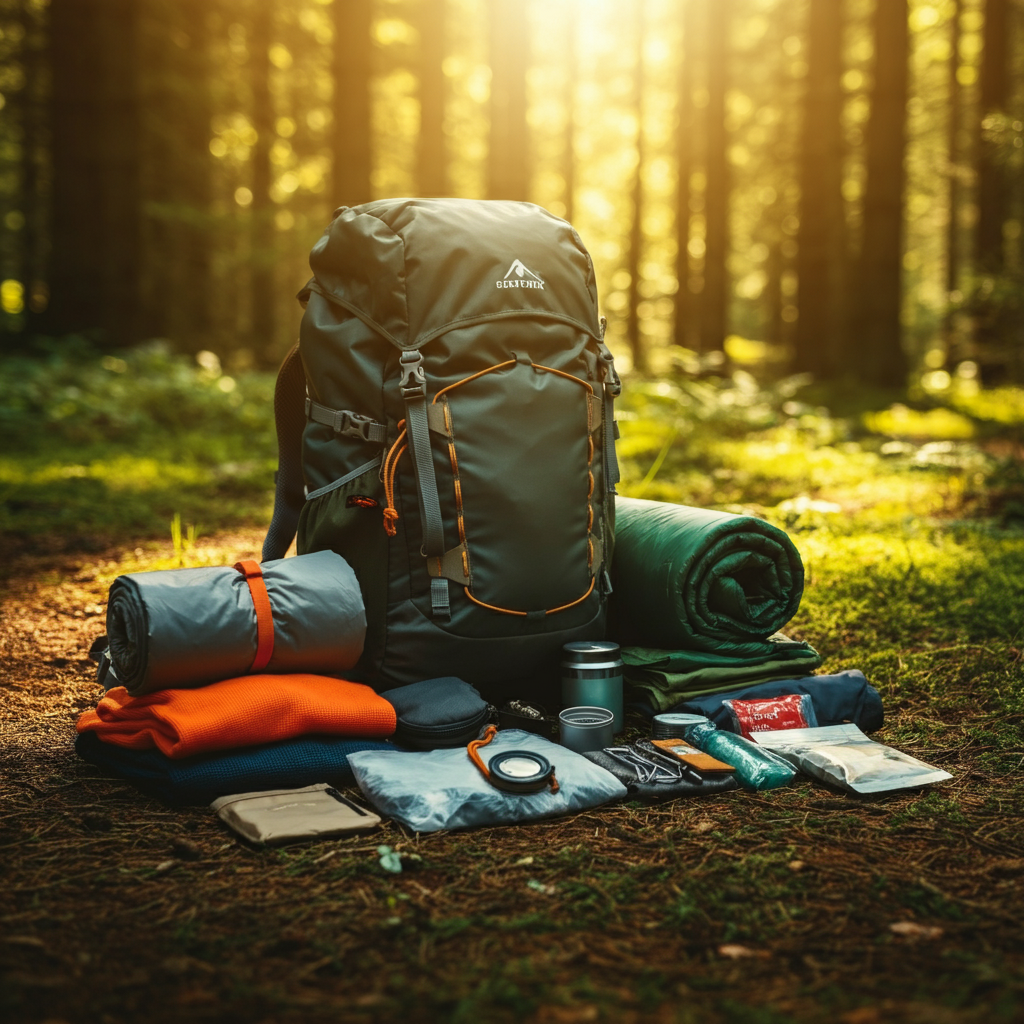
The trail calls, and your adventure awaits. But between you and that perfect wilderness experience lies one crucial challenge: deciding what goes in your backpack. Every ounce matters when you’re carrying your home on your back for days or weeks at a time.
Smart packing can make the difference between a transformative outdoor experience and a grueling ordeal. Too little gear leaves you unprepared for emergencies or uncomfortable conditions. Too much weighs you down and turns every uphill climb into a battle against your own poor decisions.
This comprehensive guide will help you strike that perfect balance. You’ll learn which items deserve space in your pack, understand the gear that can safely stay at home, and discover strategies for making every piece of equipment earn its place. Whether you’re planning your first overnight trip or your fiftieth multi-day expedition, these insights will help you pack smarter, travel lighter, and enjoy the wilderness more fully.
Understanding Your Trip Requirements
Before you touch a single piece of gear, analyze your specific adventure. The backpacking essentials for a summer weekend in the desert look vastly different from those needed for a week-long trek through alpine terrain.
Duration Determines Everything
Short overnight trips allow for some luxuries that multi-day expeditions simply can’t accommodate. For trips lasting 1-2 nights, you might pack fresh food, heavier comfort items, or that extra pair of camp shoes. Extended journeys of a week or more demand ruthless efficiency where every item serves multiple purposes.
Consider resupply opportunities too. Many long-distance trails offer mail drops or small town stops where you can restock food and replace worn gear. These options dramatically reduce the weight you need to carry between resupply points.
Climate and Season Planning
Weather conditions shape every packing decision. Summer backpacking typically means lighter sleeping systems, increased water needs, and sun protection priorities. Winter expeditions require serious insulation, waterproof layers, and emergency shelter options that would be overkill in mild conditions.
Research historical weather patterns for your destination and season. Pack for the worst conditions you might reasonably encounter, not just the forecast. Mountain weather changes rapidly, and being caught unprepared can turn dangerous quickly.
Terrain and Trail Considerations
Rocky, technical terrain demands sturdy footwear and potentially protective gear like gaiters or lightweight gloves for scrambling. Well-maintained trails allow for lighter shoes and less robust gear. Water availability along your route determines how much purification capability and storage capacity you’ll need.
Study maps and recent trip reports to understand what you’re getting into. Trail conditions change seasonally and after weather events, so current information beats outdated guidebooks.
Choosing the Right Backpack
Your backpack is the foundation of your entire system. Get this choice wrong, and every mile becomes more difficult than necessary.
Size Matters, But Bigger Isn’t Always Better
For weekend trips, a 40-50 liter pack typically provides adequate space without encouraging overpacking. Multi-day adventures often require 50-70 liters, while extended expeditions might need 70+ liters. However, experienced backpackers often use smaller packs than beginners because they’ve learned to choose lighter, more compact gear.
Resist the temptation to buy the largest pack you can afford. Bigger packs encourage you to fill them with unnecessary items, leading to heavier loads and more discomfort on the trail.
Fit Trumps Features
The fanciest pack in the world becomes torture if it doesn’t fit your torso length, shoulder width, and hip shape properly. Visit a reputable outdoor retailer where staff can measure your torso and help you try on different models with weight in them.
A properly fitted pack transfers most of the weight to your hips rather than your shoulders. The hip belt should sit on your hip bones, not your waist. Shoulder straps should wrap smoothly over your shoulders without gaps or pressure points.
Essential Features to Consider
Look for packs with removable hip belt pockets for easy access to snacks and small items. External attachment points help secure gear like trekking poles or a sleeping pad. A removable top lid can double as a daypack for exploring base camps.
Skip packs with excessive zippers, pockets, and gadgetry. These features add weight and create more potential failure points. Simple, well-built packs last longer and perform better in harsh conditions.
Core Shelter and Sleep Systems
Your shelter and sleep system keep you alive and comfortable when temperatures drop and weather turns nasty. These items deserve careful consideration and investment in quality.
Shelter Selection Strategy
Three-season backpacking tents offer the best balance of weight, weather protection, and livability for most adventures. Ultralight shelters like tarp tents or trekking pole tents can save significant weight for experienced users comfortable with their limitations.
Consider how many people will actually use the tent. A quality one-person tent often provides better space-to-weight ratio than splitting a two-person tent between partners, especially if you’re not always camping together.
Sleeping Bag Fundamentals
Choose sleeping bags rated 10-15 degrees below the coldest temperatures you expect to encounter. Down insulation provides the best warmth-to-weight ratio in dry conditions, while synthetic insulation performs better when wet and costs less upfront.
Mummy-style bags offer maximum thermal efficiency, while rectangular bags provide more room to move. Consider your sleeping style and temperature preferences when making this choice.
Sleeping Pad Importance
Never underestimate the importance of a quality sleeping pad. It provides crucial insulation from the ground and significantly impacts sleep quality. R-value ratings indicate insulative properties – higher numbers mean better insulation for cold-ground camping.
Closed-cell foam pads are virtually indestructible and inexpensive but offer minimal comfort. Inflatable pads provide excellent comfort and insulation but can puncture. Many backpackers carry both: a lightweight inflatable pad for comfort and a small piece of closed-cell foam for insurance.
Clothing Systems That Work
Effective backpacking clothing systems rely on layering principles rather than single-purpose garments. Each layer serves a specific function, and you can add or remove layers as conditions change.
Base Layer Essentials
Merino wool and synthetic materials excel as base layers, wicking moisture away from your skin while retaining warmth when damp. Cotton kills in cold, wet conditions by holding moisture against your body and losing all insulative properties.
Pack one set of base layers for wearing and one clean set for sleeping. Having dry layers to change into each evening dramatically improves sleep quality and morale.
Insulation Layer Strategies
Down jackets provide exceptional warmth-to-weight ratios for cold, dry conditions. Synthetic insulation works better in wet climates where down might get soaked and lose its loft. Many backpackers carry both a lightweight down jacket and a synthetic vest for maximum versatility.
Choose insulation pieces that fit comfortably over your base layers but under your rain shell. This layering system provides maximum adaptability to changing conditions.
Outer Shell Requirements
A quality rain jacket and pants protect you from wind and precipitation while allowing moisture vapor to escape. Fully waterproof, breathable fabrics work best, though budget options using waterproof-breathable coatings can work for occasional use.
Avoid heavy, rubberized rain gear that doesn’t breathe. You’ll end up soaked from your own perspiration even if the rain stays out.
What Not to Pack
Skip cotton clothing except for brief warm-weather trips where rain is unlikely. Avoid packing excessive clothing changes – you’ll get dirty on the trail, and that’s perfectly acceptable. Leave jeans, heavy sweatshirts, and bulky casual clothes at home.
Cooking and Nutrition Planning
Food provides the fuel for your adventure, but it also represents significant weight in your pack. Smart meal planning and efficient cooking systems help you eat well without carrying excessive loads.
Stove System Selection
Canister stoves offer convenience and precise flame control, making them ideal for most three-season backpacking. Alcohol stoves weigh almost nothing and work reliably in mild conditions but burn slowly and provide no flame control.
Solid fuel stoves work in extremely cold conditions where canister stoves might fail, but they’re messier and less efficient. Choose your stove system based on the conditions you’ll encounter most frequently.
Meal Planning Principles
Aim for calorie-dense foods that pack small and require minimal cooking time. Dehydrated meals, instant rice and pasta dishes, nuts, dried fruits, and energy bars form the backbone of most backpacking menus.
Calculate roughly 2,500-3,500 calories per person per day, depending on your size, the difficulty of terrain, and weather conditions. Cold weather and heavy loads increase caloric needs significantly.
Water Treatment Essentials
Carry at least two different water treatment methods for redundancy. Water filters remove bacteria and protozoa but not viruses (rarely a concern in most North American wilderness areas). Purification tablets or UV sterilizers kill all biological contaminants but don’t improve taste or remove sediment.
Know your water sources along the trail. Abundant, clean water sources allow you to carry less water weight between sources. Scarce or questionable water sources require more storage capacity and robust treatment options.
Navigation and Safety Equipment
Getting lost or injured in the wilderness can quickly turn from inconvenience to life-threatening emergency. Proper navigation and safety gear, combined with the knowledge to use it, keeps you safe and confident on the trail.
Navigation Tools
Carry a detailed topographic map of your area and a quality compass, even if you also bring GPS devices or smartphone apps. Electronic devices fail, run out of battery, or break when dropped on rocks.
Learn to use map and compass together before you need them in an emergency. Practice taking bearings, triangulating your position, and following compass headings in familiar areas.
First Aid Preparedness
Pack a first aid kit appropriate for your group size, trip length, and remoteness from help. Basic kits should include adhesive bandages, gauze pads, tape, pain relievers, anti-inflammatory medication, and any personal prescription medications.
Consider taking a wilderness first aid course to learn how to use your equipment effectively. Knowing how to stabilize injuries and evacuate patients in remote areas could save lives.
Emergency Communication
Personal locator beacons (PLBs) or satellite messengers provide emergency communication capability anywhere in the world. These devices can summon rescue services even when you’re far from cell phone coverage.
Inform someone reliable about your planned route and expected return time. Establish check-in protocols so they know when to worry and call for help if you don’t return as planned.
Personal Care and Comfort Items
Maintaining basic hygiene and comfort helps preserve morale and health during extended backcountry trips. However, these items require careful selection to avoid carrying unnecessary weight.
Hygiene Essentials
Pack biodegradable soap for washing dishes, clothes, and yourself. A lightweight towel or bandana serves multiple purposes. Toothbrush, toothpaste, and toilet paper with trowel handle basic sanitation needs.
Leave cotton towels, multiple changes of underwear, and bulky toiletry kits at home. A small tube of toothpaste lasts much longer than you’d expect, and cutting your toothbrush handle saves a few grams.
Comfort vs. Weight Trade-offs
Camp shoes like lightweight sandals or slip-on shoes feel amazing after a long day in hiking boots, but they add weight and bulk. Inflatable pillows weigh ounces and dramatically improve sleep quality. A lightweight camp chair might be worth its weight for some people.
Evaluate comfort items based on how much they improve your experience relative to their weight penalty. Personal preferences vary widely, so what works for others might not work for you.
Optional Gear Worth Considering
Some items don’t qualify as essential but might enhance your experience enough to justify their weight and space requirements.
Photography Equipment
Modern smartphones capture excellent photos while serving multiple other functions. Dedicated cameras produce better image quality but add significant weight and bulk. Solar chargers or battery banks keep electronic devices powered during extended trips.
Protect expensive electronics with waterproof cases or dry bags. Mountain weather can turn violent quickly, and electronic devices don’t tolerate moisture well.
Entertainment and Documentation
A lightweight journal and pen help you record experiences and process the mental benefits of wilderness time. E-readers weigh less than paperbacks and store hundreds of books. Playing cards provide entertainment during weather delays with minimal weight penalty.
Books, games, and entertainment items become more valuable on longer trips when you have more downtime in camp. Weekend trips rarely provide enough free time to justify carrying these extras.
Common Overpacking Mistakes to Avoid
Even experienced backpackers sometimes make packing decisions they later regret. Learning from common mistakes helps you avoid carrying unnecessary weight and bulk.
The “Just in Case” Trap
Packing items for unlikely scenarios adds weight without providing proportional benefits. The extra fleece jacket “just in case” it gets really cold, backup shoes “just in case” your boots fail, or additional first aid supplies “just in case” someone gets seriously hurt.
Focus on versatile items that serve multiple purposes rather than single-use items for unlikely scenarios. A lightweight emergency bivy sack provides backup shelter, extra warmth, and emergency signaling capability in one small package.
Duplicate Functions
Carrying multiple items that serve the same function wastes space and weight. You don’t need both a GPS unit and smartphone navigation app, both ibuprofen and acetaminophen, or both a down jacket and fleece jacket unless conditions specifically require that level of redundancy.
Excessive Quantities
New backpackers often pack far too much food, water, and clothing. A week’s worth of underwear for a three-day trip, enough food for twice your planned duration, or water bottles when reliable sources exist along the trail.
Calculate your actual needs and add a reasonable safety margin rather than packing based on fear or uncertainty.
Gear Testing and Refinement Strategies
Your packing list will evolve as you gain experience and learn what works for your style of backpacking. Every trip provides opportunities to refine your gear selection and packing strategies.
Pre-Trip Testing
Test all gear at home before depending on it in the wilderness. Set up your tent in the backyard, sleep in your sleeping bag, and cook meals with your stove system. Gear failures are frustrating at home but potentially dangerous in remote locations.
Practice packing your backpack to optimize weight distribution and accessibility. Heavy items should sit close to your back and near your shoulders. Frequently needed items should be easily accessible without unpacking everything else.
Post-Trip Evaluation
After each trip, honestly evaluate every item you carried. What did you use frequently? What never left your pack? What would you modify for next time? Keep notes about gear performance and weight distribution.
Consider keeping a gear log with weights, uses, and performance notes for each item. This data helps you make informed decisions about upgrades and modifications over time.
Building Your Perfect Packing Strategy
Successful backpacking isn’t about having the most expensive gear or the longest equipment list. It’s about understanding your needs, choosing appropriate equipment, and developing systems that work reliably in various conditions.
Start with shorter trips closer to home where mistakes have lower consequences. Build your gear collection gradually, learning what works for your body, budget, and adventure style. Every backpacker’s ideal gear list looks different based on their priorities, experience level, and typical destinations.
The wilderness rewards preparation, but it also teaches you that you need less than you initially thought. Every ounce you don’t carry is energy saved for enjoying the views, connecting with nature, and creating memories that last long after your gear wears out.
Pack thoughtfully, travel lightly, and let the trail teach you what truly matters. Your back will thank you, and your adventures will be all the richer for the lessons learned along the way.
Meta data
Meta title
Backpacking Essentials: What to Pack & What to Skip
Meta description
Learn what backpacking gear you really need and what to leave at home. Expert tips for packing smart, traveling light, and enjoying wilderness adventures.