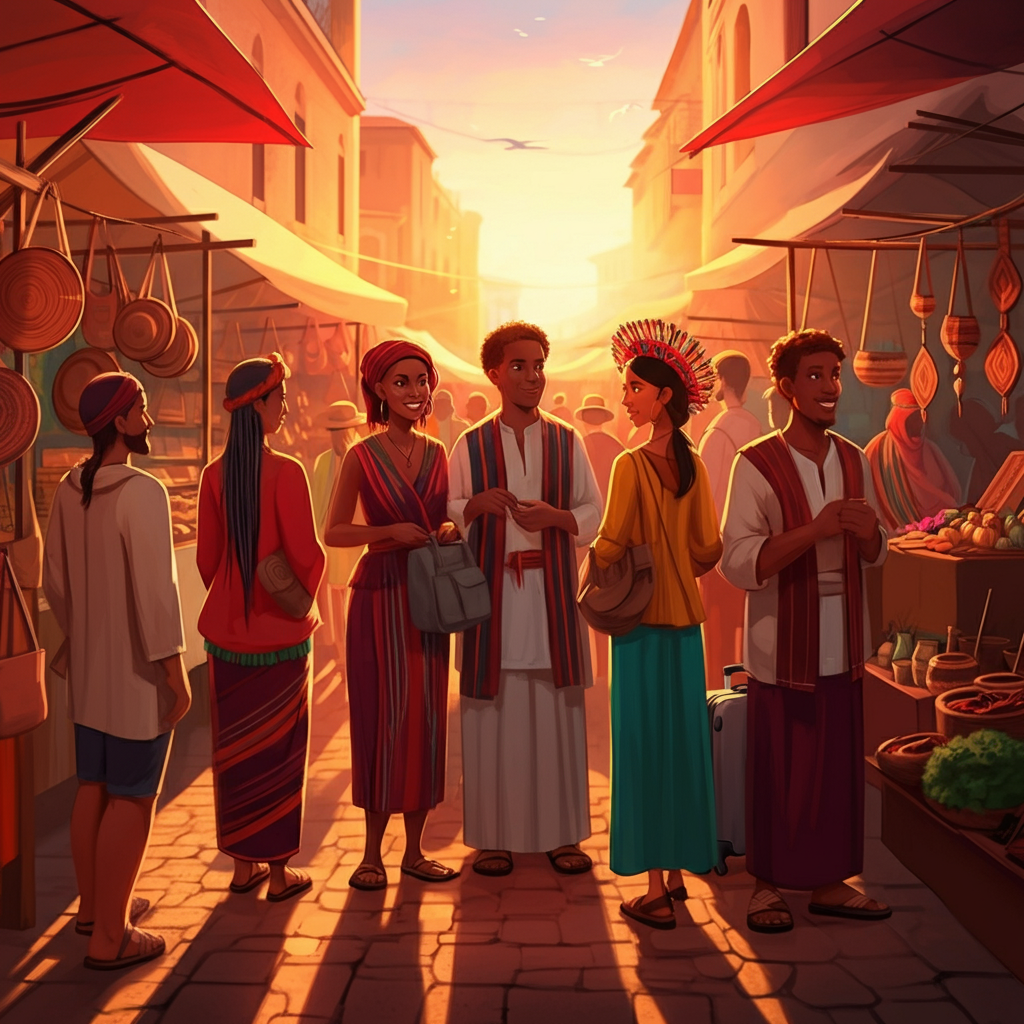
Three years ago, I watched a fellow American tourist bow deeply to a Japanese shop owner—the kind of bow reserved for emperors. The elderly man’s eyes widened in confusion before he chuckled softly and returned a much gentler nod. What my compatriot thought was respectful nearly turned into an awkward cultural moment that could have been easily avoided with a bit of preparation.
Travel opens doors to incredible experiences, but those doors swing wider when we understand the cultural keys that unlock genuine connections. Cultural etiquette isn’t about walking on eggshells or memorizing endless rules—it’s about showing respect for the people and places that welcome us into their world.
Understanding local customs transforms you from a mere tourist into a respectful guest. It’s the difference between taking photos of a temple and truly appreciating its sacred significance. When we embrace cultural etiquette, we don’t just visit places; we connect with people, create meaningful memories, and often return home with perspectives that enrich our own lives.
This guide will walk you through essential cultural etiquette practices that every traveler should master. From the art of greeting strangers to navigating dinner invitations, these insights will help you travel with confidence and cultural awareness.
Understanding Cultural Etiquette
Cultural etiquette encompasses the unwritten rules and social norms that guide behavior within different societies. Think of it as the invisible framework that helps communities function harmoniously—from how people greet each other to what constitutes appropriate public behavior.
Every culture develops these practices over generations, often rooted in historical experiences, religious beliefs, or practical considerations. What seems perfectly normal in your home country might be considered rude, inappropriate, or even offensive elsewhere. The key lies in recognizing that different doesn’t mean wrong—just different.
Understanding local customs enhances your travel experience in remarkable ways. Locals appreciate when visitors make an effort to respect their traditions, often responding with warmth, patience, and genuine hospitality. You’ll find doors opening to authentic experiences that typical tourists never encounter.
Cultural awareness also protects you from potentially embarrassing or problematic situations. A simple gesture like pointing with your index finger might seem innocent but can be deeply offensive in certain cultures. Knowledge becomes your shield against unintentional disrespect.
Greetings and Introductions
The way people greet each other varies dramatically across cultures, and getting it right sets the tone for every interaction. In many Western countries, a firm handshake and direct eye contact signal confidence and respect. However, this same approach might feel too aggressive in cultures that value gentleness and subtlety.
Verbal greetings range from the casual “hello” to elaborate inquiries about family health and prosperity. In some African cultures, rushing through greetings is considered extremely rude—people expect you to ask about their family, their work, and their general well-being before discussing any business.
Non-verbal greetings present their own fascinating landscape of customs. The Japanese bow demonstrates respect through depth and duration, with deeper bows reserved for more formal situations. In contrast, many Middle Eastern and European cultures prefer light cheek kisses, though the number of kisses varies by region.
Common Greeting Styles by Region:
- Western cultures: Handshakes, brief hugs among friends
- East Asian cultures: Bows, minimal physical contact
- Latin American cultures: Warm embraces, cheek kisses
- Middle Eastern cultures: Same-gender embraces, respectful nods across genders
- South Asian cultures: “Namaste” gesture with palms together
Understanding these nuances helps you navigate first impressions with grace and cultural sensitivity.
Dining Etiquette Around the World
Food represents one of humanity’s most universal languages, yet dining customs vary tremendously across cultures. Mastering basic dining etiquette opens doors to incredible culinary adventures and deeper cultural connections.
Table manners extend far beyond which fork to use. In many Asian countries, finishing everything on your plate signals that your host didn’t provide enough food—leaving a small amount shows satisfaction and appreciation. Conversely, Mediterranean cultures often view a clean plate as the ultimate compliment to the chef.
The relationship with utensils tells fascinating cultural stories. While Western dining emphasizes proper fork and knife technique, many cultures consider eating with your hands not just acceptable but preferable. Indian cuisine, Ethiopian injera, and Moroccan tagines are all designed for hand-eating, and attempting to use utensils might actually seem awkward.
Global Tipping Guidelines:
- United States: 18-22% at restaurants
- Japan: Tipping can be insulting
- Germany: 10% rounded up to nearest euro
- France: Service included, small change appreciated
- Australia: Tipping not expected but welcomed for exceptional service
Sound levels during meals also carry cultural significance. While animated dinner conversations are encouraged in Italian households, many East Asian cultures value quieter, more contemplative dining experiences.
The Art of Gift-Giving
Gift-giving customs reveal deep cultural values about relationships, respect, and reciprocity. What constitutes an appropriate gift varies not just by culture but by specific circumstances, relationships, and occasions.
Selecting suitable gifts requires understanding cultural symbolism. Flowers make lovely gifts in many Western cultures, but certain colors or types carry specific meanings elsewhere. White flowers often symbolize mourning in East Asian cultures, while red roses might be too romantic for casual acquaintances in many societies.
Gift presentation often matters as much as the gift itself. Japanese culture elevates gift-wrapping to an art form, with elaborate presentations that show respect for the recipient. The act of carefully unwrapping becomes part of the gift experience, so recipients typically open presents slowly and appreciatively.
Gift-Giving Considerations:
- Avoid: Items made from leather in Hindu cultures, alcohol in Islamic countries
- Colors matter: Red for luck in China, avoid white in many Asian cultures
- Numbers count: Avoid sets of four in East Asian cultures, odd numbers preferred in Russia
- Quality over quantity: Better to give one thoughtful gift than multiple cheap items
Religious and cultural taboos significantly impact appropriate gift choices. Understanding these restrictions shows respect for your hosts’ beliefs and values.
Communication Styles and Cultural Context
Communication extends far beyond words—tone, volume, directness, and timing all carry cultural weight. High-context cultures like Japan and many Arab nations rely heavily on subtle cues, implied meanings, and situational awareness. Low-context cultures like Germany and Scandinavia prefer direct, explicit communication.
Verbal communication styles reflect cultural values about hierarchy, relationships, and social harmony. Some cultures encourage passionate debate and animated discussion, while others prioritize consensus-building and face-saving. Understanding these preferences helps you adapt your communication style appropriately.
Non-verbal communication often speaks louder than words. Personal space expectations vary dramatically—what feels comfortably social in one culture might seem uncomfortably close or distantly cold in another. Mediterranean cultures typically embrace smaller personal space bubbles, while Northern European cultures prefer more physical distance.
Eye contact carries particularly complex cultural meanings. While Western cultures often interpret direct eye contact as honesty and confidence, many cultures view prolonged eye contact as disrespectful or aggressive, especially across gender or generational lines.
Dress Codes and Cultural Sensitivity
Clothing choices communicate volumes about your respect for local customs and cultural norms. Appropriate dress varies not just by climate but by cultural values, religious beliefs, and social expectations.
General guidelines suggest dressing more conservatively when uncertain about local customs. This approach shows respect while avoiding potential offense. Many cultures appreciate visitors who make an effort to dress appropriately, viewing it as a sign of cultural awareness and respect.
Religious sites typically enforce specific dress requirements that visitors must observe. These rules often include covering shoulders, arms, and legs, removing shoes, or covering heads. Some sites provide appropriate coverings for unprepared visitors, but coming prepared demonstrates respect and cultural sensitivity.
Religious Site Dress Guidelines:
- Islamic mosques: Modest clothing, head coverings for women, shoes removed
- Buddhist temples: Covered shoulders and knees, respectful colors
- Christian churches: Conservative dress, covered shoulders
- Hindu temples: Modest clothing, shoes removed, natural fibers preferred
- Sikh gurudwaras: Head coverings required for all visitors
Understanding local dress expectations helps you blend in respectfully while avoiding unwanted attention or cultural misunderstandings.
Public Behavior and Social Norms
Public behavior norms reflect cultural values about community, respect, and social harmony. What’s considered appropriate public behavior in one culture might be viewed as inconsiderate or even shocking in another.
Noise levels represent one of the most noticeable differences between cultures. Some societies embrace animated public conversations, street music, and vibrant social interactions. Others value quiet public spaces where people speak softly and respect shared environments.
Personal space boundaries vary significantly across cultures. Understanding these invisible rules helps you navigate crowded public transportation, busy markets, and social gatherings without inadvertently making others uncomfortable.
Public Behavior Considerations:
- Photography: Always ask permission before photographing people
- Affection: Public displays vary widely by culture
- Queue culture: Some cultures have strict line etiquette, others are more flexible
- Phone use: Volume and location matter in different cultures
- Smoking: Rules and social acceptance vary dramatically
Being aware of these norms helps you navigate public spaces respectfully and comfortably.
Punctuality Across Cultures
Time perception varies dramatically across cultures, affecting everything from business meetings to social gatherings. Understanding these differences prevents misunderstandings and shows respect for local customs.
Some cultures operate on strict chronological time, where being five minutes late is considered disrespectful. German and Japanese cultures typically fall into this category, where punctuality demonstrates respect for others’ time and commitment to agreements.
Other cultures embrace more flexible time concepts, where relationships and circumstances take precedence over rigid schedules. Many Latin American, African, and Middle Eastern cultures operate on “relationship time,” where being 30 minutes late to social events is perfectly acceptable.
Punctuality Expectations:
- Strict time cultures: Germany, Japan, Switzerland, Scandinavia
- Flexible time cultures: Spain, Mexico, many African and Middle Eastern countries
- Mixed expectations: Business vs. social events may have different standards
- Religious events: Usually require punctuality regardless of general cultural norms
Adapting to local time expectations shows cultural awareness and respect for your hosts’ values.
Common Cultural Faux Pas to Avoid
Even well-intentioned travelers sometimes stumble into cultural misunderstandings. Learning from others’ mistakes helps you navigate these potential pitfalls with greater awareness and sensitivity.
I once watched a tourist in Thailand point directly at a Buddha statue while asking questions—a gesture considered deeply disrespectful in Buddhist culture. The guide gently redirected the conversation, but the moment highlighted how innocent actions can carry unintended cultural weight.
Body language mistakes often create the most memorable cultural misunderstandings. Showing the soles of your feet in many Middle Eastern and Asian cultures, making the “OK” hand gesture in Brazil, or giving a thumbs up in parts of the Middle East can all cause offense.
Common Mistakes to Avoid:
- Using your left hand for eating or greeting in many Islamic cultures
- Pointing with your index finger in many Asian and African cultures
- Refusing hospitality too quickly in Middle Eastern cultures
- Not removing shoes when entering homes in many Asian cultures
- Taking photos without permission, especially of people or sacred sites
Understanding these potential missteps helps you travel with greater cultural awareness and sensitivity.
People Also Ask
What should I research before traveling to a new country?
Research basic greetings, tipping customs, dress codes for religious sites, major cultural taboos, and general social norms. Focus on understanding the culture’s values around time, personal space, and communication styles.
How do I show respect when visiting religious sites?
Dress modestly with covered shoulders and knees, remove shoes when required, speak quietly, turn off camera flashes, and observe local worship practices without disrupting them.
What are some universal signs of respect across cultures?
Smiling genuinely, showing interest in local customs, learning basic phrases in the local language, dressing appropriately, and demonstrating patience with cultural differences.
How can I learn basic phrases in local languages?
Use language learning apps, carry a pocket phrasebook, watch online tutorials, or take basic language classes before traveling. Even attempting to use local phrases shows respect.
Your Cultural Sensitivity Checklist
Successful cultural navigation requires preparation and mindful awareness. Before traveling, research your destination’s basic customs, social norms, and cultural taboos. Understanding these elements beforehand prevents misunderstandings and demonstrates respect for your hosts.
During your trip, remain observant and adaptable. Watch how locals interact with each other, notice social cues, and don’t be afraid to ask polite questions about appropriate behavior. Most people appreciate genuine interest in their culture and are happy to share guidance.
Pre-Travel Preparation:
- Research basic greetings and farewell customs
- Understand tipping practices and payment norms
- Learn about appropriate dress codes
- Study major cultural taboos and sensitive topics
- Download translation apps and learn key phrases
During Your Journey:
- Observe local behavior patterns before acting
- Ask respectful questions when uncertain
- Apologize gracefully for any cultural mistakes
- Show appreciation for cultural guidance
- Remain flexible and open to new experiences
Cultural sensitivity enhances every aspect of your travel experience while showing respect for the communities that welcome you.
Frequently Asked Questions
What is cultural sensitivity and why does it matter for travelers?
Cultural sensitivity involves awareness, understanding, and respect for cultural differences. It matters because it helps travelers avoid misunderstandings, build genuine connections with locals, and create more meaningful travel experiences while showing respect for host communities.
How can I recover from making a cultural mistake while traveling?
Acknowledge the mistake sincerely, apologize if appropriate, show willingness to learn, and adjust your behavior accordingly. Most people appreciate genuine efforts to understand their culture and are forgiving of honest mistakes from respectful travelers.
What are the most important cultural considerations for first-time international travelers?
Focus on basic greetings, appropriate dress codes, dining etiquette, tipping customs, and major cultural taboos. Understanding communication styles and personal space expectations also helps create positive interactions with locals.
How do I balance respecting local customs with staying true to my own values?
Research destinations thoroughly before traveling to ensure compatibility with your values. When conflicts arise, focus on showing respect through your behavior while maintaining your core beliefs. Most situations allow for respectful compromise.
Should I always follow local customs even if they make me uncomfortable?
Prioritize safety and personal boundaries while showing respect for local customs. You can often find ways to be respectful without compromising your core values or safety. When in doubt, politely explain your position or seek guidance from local contacts.
Building Bridges Through Cultural Understanding
Cultural etiquette transforms travel from simple sightseeing into meaningful cultural exchange. When we approach other cultures with respect, curiosity, and humility, we create opportunities for genuine connection that enrich both our lives and the lives of those we meet.
Remember that cultural learning is an ongoing journey, not a destination. Each interaction teaches you something new about the world and yourself. Embrace the occasional awkward moment as part of the learning process—these experiences often become the most memorable and educational parts of your travels.
The effort you invest in understanding cultural etiquette pays dividends in authentic experiences, lasting friendships, and personal growth. You’ll return home not just with photos and souvenirs, but with expanded perspectives and deeper appreciation for our wonderfully diverse world.
Start your cultural preparation today. Research your next destination’s customs, practice basic phrases, and approach your travels with an open heart and curious mind. The world is waiting to welcome respectful travelers who understand that the greatest journeys happen not just across miles, but across cultures.
Meta data
Meta title
Cultural Etiquette Tips Every Traveler Should Know
Meta description
Master cultural etiquette for meaningful travel experiences. Learn greetings, dining customs, dress codes, and common mistakes to avoid worldwide.